All Categories
Featured
Comparing the Best Food Rewards Apps for 2026
Table of Contents
The invitations have actually gone out, the dcor selected, and the playlist queued up. Now comes one of the most importantand frequently most stressfulparts of hosting: choosing how much food and drink to serve. Running out can feel like an error, and overbuying leaves you with an overstuffed fridge and unnecessary waste.
We specialize in raising bigger at home occasions with ease and knowledge. If you have actually selected to take the reins yourself, we've compiled the exact same thoughtful preparation standards our team uses to guarantee a successful occasion, whether you're hosting an intimate event or a bigger celebration. There's no precise formula for planning a menu, but these baseline estimations are a useful beginning point.
Celebration duration and guest mix (adults vs. kids) must be thought about. The richer the menu, the smaller sized the portion sizes need to be. The more menu variety you provide, the less you need of each item. As a basic guideline, prepare for each adult to consume approximately 1 pound of food total (omitting dessert), while children normally eat about half that amount.
Low-Cost Party Food Strategies for Large Groups
For a more official event with a primary course, strategy for 3 to 4 pieces per individual. It's likewise smart to offer basic, no-prep choices such as nuts or olives that visitors can enjoy as they get here.
Adapting to the Local Flavor of the Metropolitan Area in 2026Regardless of how filling the primary meal is, a lot of guests will find room for something sweet. Plan the following: Cake or pastry: 1 piece per individual Cream-based desserts: 4 oz per individual Ice cream: 5 oz per person Whether offering a curated mixed drink menu or an open bar, planning properly for beverages is necessary.
Open liquor bottles are shelf-stable, making overbuying a much safer bet than going out mid-event. To help decrease waste and avoid overconsumption: Avoid putting all food out at oncepace the courses Use smaller serving plates or bowls, which naturally restrict oversized parts Think about color and presentation; a healthy, visually appealing spread motivates guests to sample more thoughtfully Constantly round your amounts up rather than down, and identify which dishes will likely be guest favorites so you can plan accordingly.
Hosting a memorable event doesn't need to be overwhelming. With thoughtful preparation and the right technique to amounts, you can produce an event that feels generous, organized, and seamless. And obviously, if you 'd rather focus on enjoying your visitors and not the logistics, Messina's Catering & Events is here to help with full-service in-home catering tailored to your style and occasion.
Optimizing Digital Reward Utility for 2026 Events
Prepare for about 1 pound of food per grownup (excluding dessert). For kids, strategy approximately half that quantity, changing as required based on the group. Time of day impacts cravings, and visitors typically consume more in the night. You'll also want to consider the visitor mix (grownups vs. children), how abundant the menu is, and how much range you're offeringgenerally, more variety means you require less of each product.
Adapting to the Local Flavor of the Metropolitan Area in 2026For casual occasions, plan 46 pieces per individual. For appetizer-only or cocktail-style occasions, strategy 46 pieces per person, per hour, and think about adding easy no-prep options like nuts or olives for guests to delight in as they arrive. Use these general serving sizes as a guide: meat or seafood: 6 oz per person; potatoes: 5 oz; veggies: 4 oz; beans: 2 oz; pasta: 4 oz; and green salad (undressed): 1 oz.
When serving buffet-style, reduce specific portions a little since guests tend to sample more dishes. Planning 12 ounces less per product is generally sufficient. Prepare for 1 slice of cake or pastry per person. For cream-based desserts, plan 4 oz per person, and for ice cream, plan 5 oz per individual.
For red wine, intend on 1 bottle for about 2 guests, and for beer, quote 2 drinks per visitor in the first hour, then 1 per hour after. Prepare for 12 pounds of ice per visitor (more in warmer weather). If no alcohol is served, prepare for 3 non-alcoholic drinks per visitor; if alcohol is served, offer at least 1 non-alcoholic drink per guest.
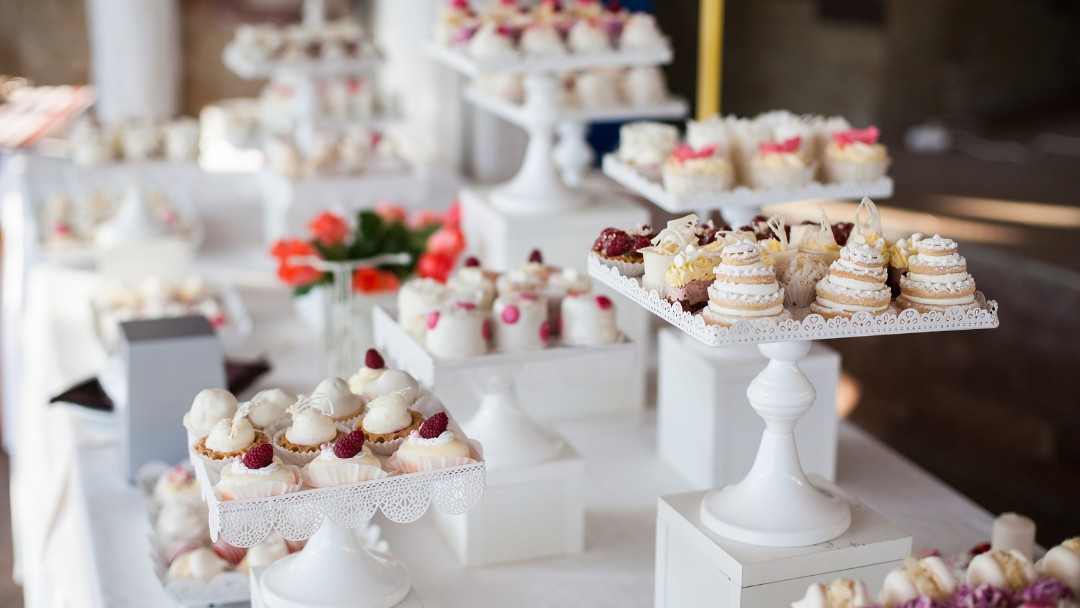
Usage smaller sized serving plates or bowls, and constantly round amounts up instead of down, particularly for visitor favorites like shrimp cocktail or charcuterie.
Tips for Streamlining Budget 2026 Community Meals
Whether you're preparing an intimate gathering or a large party for a crowd, one thing is important: I have actually created an extensive celebration food list to offer you motivation for your next hosting experience. If you're serving something hot, think about using a chafing dish or sluggish cooker so that you don't need to continue reheating the food during the party.

Latest Posts

Key Party Food Planning Tips for Your Events
Why Mobile Rewards Apps Reduce Event Expenses
How Savings Platforms Boost Local Events